The whistle blows. The crowd erupts. But wait - half the players are still looking at the referee in confusion. What...
In the world of sport, and particularly in areas such as football and rugby, communication between referees is an...
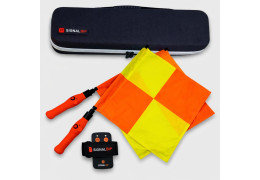
Already tested and validated by professional teams in friendly matches, electronic refereeing flags are gradually...
The world of sport has seen many changes and innovations in recent years, both in terms of equipment and rules. One...
Headset : Technology at the heart of sport
The whistle blows. The crowd erupts. But wait - half the players are still looking at the referee in confusion. What just happened?
In the high-stakes arena of the Six Nations, where centuries-old rivalries collide and national pride hangs in the balance, a single miscommunication between match officials can turn a championship dream into a nightmare. Let's dive into three iconic moments where communication breakdowns changed everything - and explore how modern referee technology empowers the best officials to make indisputable decisions.
The Scene: Principality Stadium, Cardiff. 80,000 fans (well, none actually - COVID restrictions). England leading, then suddenly... chaos.
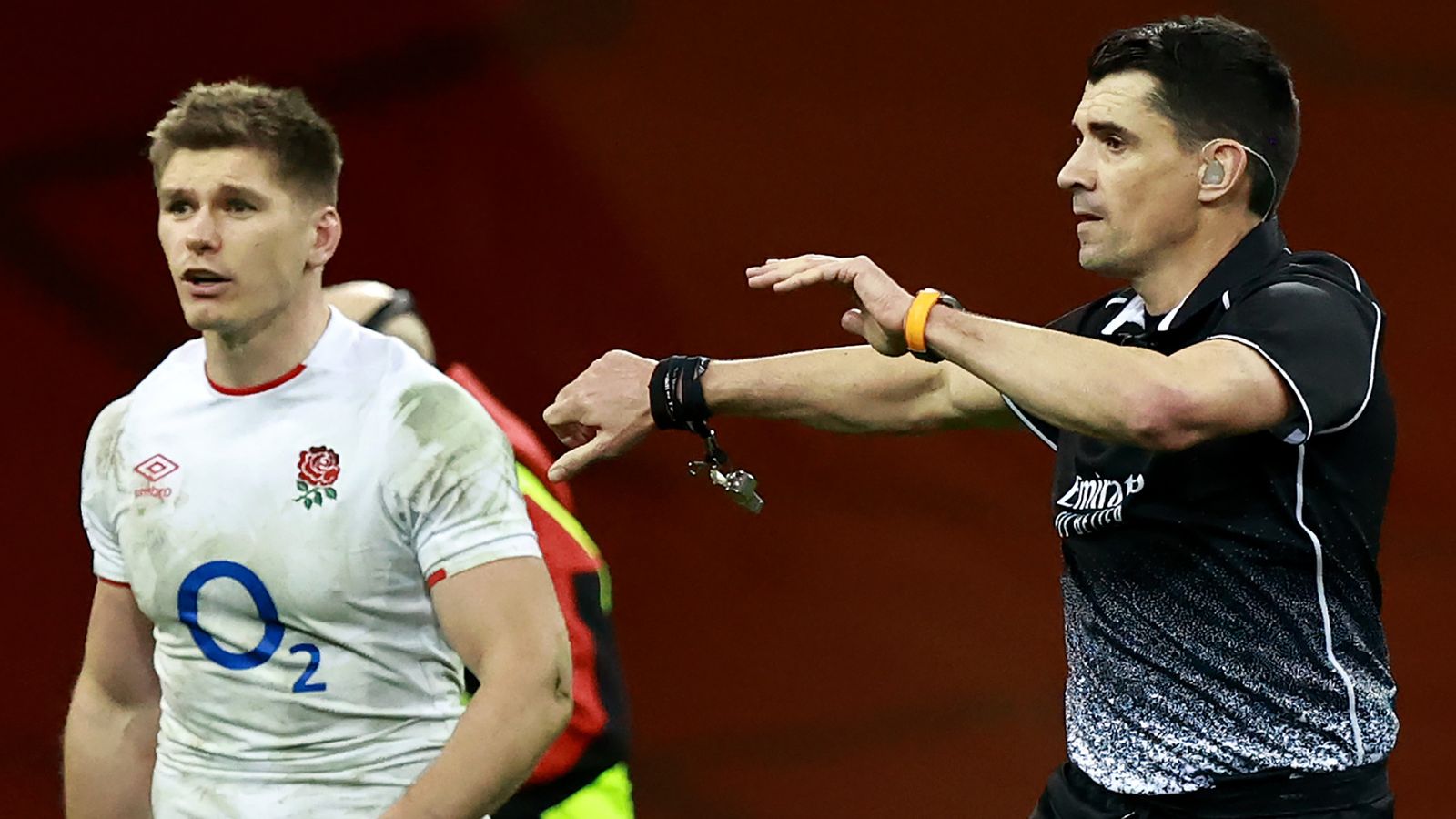
French referee Pascal Gauzère signals two quick tap penalties for Wales while English players are still repositioning. Two tries. Game over. Eddie Jones's face turns a shade of red not seen since the Battle of Agincourt.
The Communication Fail:
The problem? Gauzère verbally told England's Dan Biggar "time off" for an injury check, but never clearly communicated "time on" before allowing Wales to take quick taps. His assistant referees didn't catch it either. The result? England's defensive line was scattered, and two tries that should never have happened sealed their fate.
Here's the thing: Pascal Gauzère is an excellent referee. He has the physical stamina to keep up with world-class athletes for 80 minutes, the mental fortitude to make split-second calls under immense pressure, and decades of experience reading the game. But even the best officials are human - managing 30 players, tracking the ball, monitoring foul play, and coordinating with assistants simultaneously is cognitively overwhelming.
Gauzère later admitted his errors and retired from international refereeing shortly after. A brilliant career ended not because he lacked skill, but because the communication tools available couldn't keep pace with the demands of the modern game.
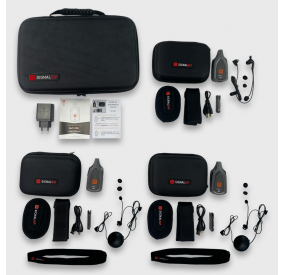
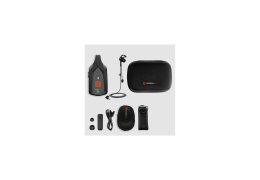
Enter the audio communication system - specifically, systems like SignalBIP's Pack 3 Kits Audio Full Talk. These aren't your grandfather's walkie-talkies.
With crystal-clear, simultaneous communication between the central referee, touch judges, and TMO, every official would have heard: "Time off confirmed." The moment Gauzère considered restarting play, a touch judge would have immediately flagged: "England not set - hold the restart."
This is augmentation, not replacement. The technology doesn't make the decision - Gauzère's decades of expertise still determine when to restart play and how to manage game flow. But it eliminates the human impossibility of having eyes everywhere at once. The art of refereeing - reading player intent, managing emotions, sensing when to let play flow - remains entirely his. The tech simply ensures his excellent judgment isn't undermined by a momentary lapse in situational awareness.
The result? Gauzère's skill shines through without controversy. His decision-making becomes indisputable because all officials operate from the same complete picture.
The Scene: Twickenham. England expected a comfortable win. Instead, they got a masterclass in exploiting referee communication gaps.
Italy's coaching staff spotted a loophole: if there's no tackler on the ground, there's technically no ruck, meaning no offside line. For 60 baffling minutes, Italian players stood in front of the ball at breakdowns, legally preventing England from playing.
Captain Dylan Hartley pleaded with referee Romain Poite: "Can you explain what's happening?"
Poite's response, now immortalized on YouTube: "I am the referee, not the coach."
The Communication Fail:
This wasn't about Poite being wrong - Italy's tactics were technically legal. The fail was the absence of proactive explanation. Players had no idea what was happening. Fans were lost. Commentators were speechless. The game became unwatchable.
And here's what often gets overlooked: Poite was under immense physical and mental strain. Referees cover 10-12 kilometers per match, making hundreds of micro-decisions while processing complex law interpretations in real-time. Managing player relations while maintaining authority requires the diplomacy of a UN negotiator and the nerves of a bomb disposal expert.
In this moment, Poite needed bandwidth to explain a nuanced tactical situation while continuing to referee an increasingly chaotic match. The cognitive load was simply too high without support.
World Rugby later clarified the laws, but the damage to rugby's reputation - as a sport comprehensible only to PhDs in obscure jurisprudence - was done.
Effective referee communication isn't just between officials - it's about managing players and maintaining game flow.
With modern audio systems like the Micro Oreillette Push-to-Talk from SignalBIP, referees can quickly huddle with team captains during play, explaining unusual situations without stopping the match. Quick, clear, direct: "No ruck formed, no offside - adjust your defense."
More importantly, the TMO can feed the referee real-time context: "Italy's exploiting Law 15.4 - consider clarifying for both captains at the next stoppage."
But here's the crucial point: The technology provides information - Poite's experience determines how to use it. His judgment about when to intervene, how to phrase explanations to maintain authority, and whether to let the situation develop is irreplaceable human expertise. The tech doesn't referee the game; it amplifies Poite's ability to referee it well.
The art of match management - reading team dynamics, choosing the right tone, knowing when firmness or humor defuses tension - these remain entirely in the official's hands. Technology simply ensures they have the mental space and situational awareness to deploy that artistry effectively.
The Scene: Multiple matches across recent Six Nations tournaments have featured TMO controversies, but one stands out - the "distracted TMO" incident where officials defended a Television Match Official who appeared to miss a crucial angle because of background conversations with broadcasters.
The Communication Fail:
The TMO booth sits in a complex technical environment. Broadcast teams, production staff, and sometimes even stadium announcers operate nearby. In at least one documented case, a TMO's decision-making was questioned because live microphones picked up conversations that suggested divided attention.
The problem isn't incompetence - it's environmental interference. TMOs are highly trained officials reviewing multiple camera angles simultaneously, making frame-by-frame assessments under time pressure while 80,000 fans and millions of viewers wait. This requires intense concentration - the kind surgeons need in operating rooms.
When your communication system allows unfiltered noise, even the best officials can miss critical details. The mental discipline required is extraordinary, and degrading it with poor audio quality is like asking a concert pianist to perform during a construction project.
Professional-grade communication systems like SignalBIP's Pack Elite (used by top-tier officials) feature:
Imagine the TMO reviewing a potential forward pass. With clean, dedicated audio, they hear only the referee's question and their fellow officials' observations - not the broadcaster's hot take or the stadium DJ testing sound levels.
The technology creates the conditions for expertise to flourish. The TMO's trained eye - developed through years of studying angles, understanding player mechanics, and interpreting laws - makes the actual decision. But that expertise only works when environmental factors don't sabotage concentration.
These three failures share a common thread: outstanding referees were let down by inadequate tools.
Gauzère, Poite, and the TMO officials involved are all elite-level professionals. They've earned their positions through physical excellence (maintaining peak fitness into their 40s), mental toughness (making high-pressure decisions in hostile environments), and deep technical knowledge (mastering rugby's notoriously complex laws).
But we're asking them to do the impossible: manage 30 elite athletes, track a ball moving at 100 km/h, interpret collisions happening in milliseconds, and coordinate with dispersed colleagues - all while maintaining authority and game flow.
Modern referee communication systems don't make these officials better at their craft. They remove the artificial barriers that prevent their expertise from shining through.
The systems solve this by:
The art of refereeing - the judgment calls, the player psychology, the feel for when to let play flow and when to impose authority - remains entirely human. Technology simply ensures those irreplaceable skills aren't undermined by solvable communication problems.
Let's rewind the tape with modern tech empowering these elite officials:
Here's what needs to be said: refereeing at Six Nations level is one of the most demanding jobs in professional sport.
Physically, officials must maintain fitness levels comparable to the players themselves - running 10+ kilometers per match while making hundreds of decisions. Mentally, they need the composure of fighter pilots, making split-second calls with massive consequences under hostile pressure from 80,000 partisan fans.
The best referees - Nigel Owens, Wayne Barnes, Jaco Peyper - are masters of an art form. They read game tempo, manage egos, deploy humor and authority in perfect measure, and interpret complex laws while the action unfolds at breakneck speed. This expertise cannot be automated or replaced.
What modern technology does is remove the arbitrary limitations that prevent these masters from expressing their craft fully. When communication systems fail, we don't see bad referees - we see excellent referees handicapped by inadequate tools.
Technology makes their decisions indisputable by ensuring those decisions reflect pure expertise, uncorrupted by preventable communication breakdowns.
The irony? The technology to empower elite officials already exists and is being used worldwide. Systems like SignalBIP's audio communication kits aren't exotic NASA-level gear - they're proven, battle-tested equipment designed specifically for the chaos of elite sport.
These systems don't replace the referee's art - they amplify it. The judgment, the game feel, the player psychology, the split-second law interpretation - that's all human expertise. The technology simply ensures that expertise operates at its full potential.
The question isn't "Can technology help officials?" It's "Why are we still handicapping our best referees with inferior tools?"
Because in the Six Nations, where margins are razor-thin and history is written in 80-minute chapters, elite officials deserve elite equipment. Not to replace their skills - to let those skills shine without interference.
The art and technique of refereeing will always belong to the officials themselves. Technology just ensures nothing stands between their expertise and indisputable, controversy-free decisions.
Ready to see elite officiating at its best? Explore SignalBIP's professional referee communication systems - because when the stakes are this high, the world's best officials deserve tools worthy of their expertise.
What are the advantages of electronic flags for sports referees?
What is an AUDIO KIT BLUETOOTH EARPHONE for Referees?
check_circle
check_circle